
The Trevi Fountain (Fontana di Trevi) is one of the most iconic landmarks in Rome, Italy. Famous for its magnificent Baroque architecture, historical importance, and romantic coin-throwing tradition, it attracts millions of visitors every year. Whether you are a first-time traveler or a returning tourist, the Trevi Fountain remains a must-visit destination in Rome.
Introduction to Trevi Fountain
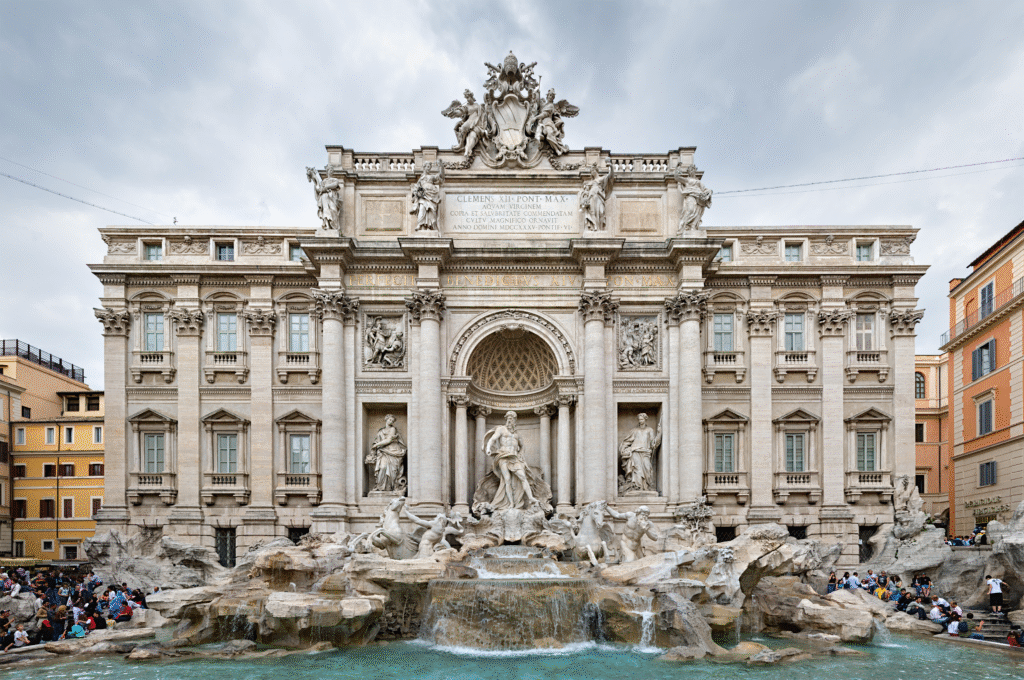
Trevi Fountain is located in the heart of Rome, in the Trevi district. The name “Trevi” comes from the Latin word meaning “three roads,” as the fountain stands at the junction of three streets. It marks the endpoint of the ancient Aqua Virgo aqueduct, which was originally built in 19 BC to supply fresh water to Rome.
The present fountain was commissioned in 1732 by Pope Clement XII and designed by architect Nicola Salvi. It was completed in 1762 and has since become one of the finest examples of Baroque art in the world.
Architectural Beauty and Artistic Design
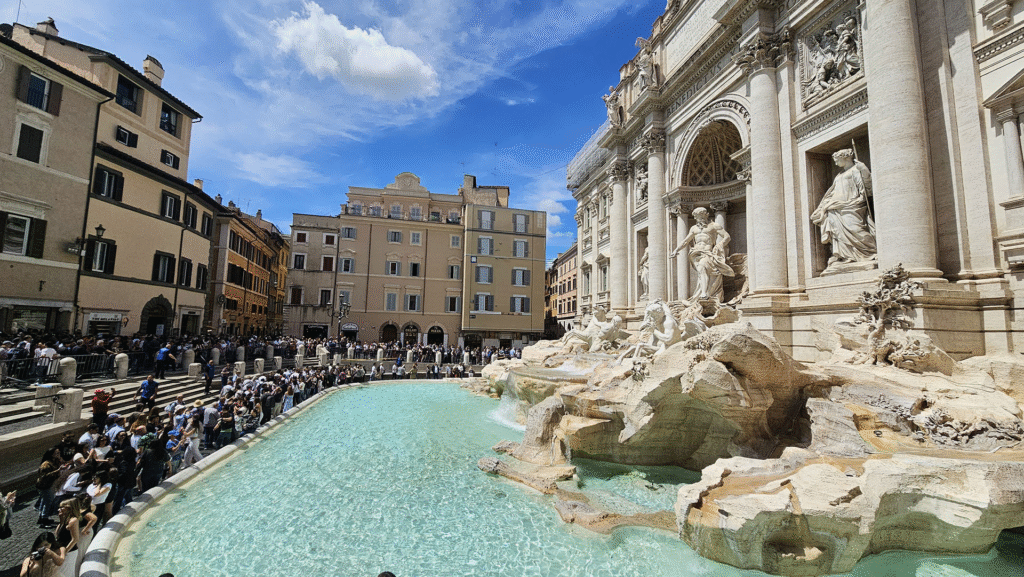
The Trevi Fountain is a grand masterpiece carved from travertine stone. At the center stands the figure of Oceanus, representing the power of the sea. He is surrounded by Tritons and sea horses, symbolizing the changing moods of the ocean. The dramatic sculptures and flowing water create a powerful visual effect that blends perfectly with the Palazzo Poli building behind it.
With a height of about 26 meters and a width of nearly 49 meters, it is the largest Baroque fountain in Rome. Its detailed carvings and dynamic composition make it one of the most photographed attractions in Italy.
The Famous Coin-Throwing Tradition
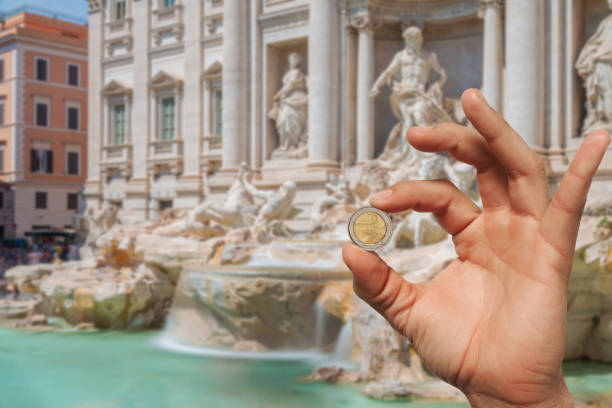
One of the main reasons for the fountain’s global popularity is its coin-throwing tradition. According to legend, tossing one coin into the fountain ensures that you will return to Rome someday. Throwing two coins is believed to bring love, while three coins symbolize marriage.
Visitors traditionally throw the coin using their right hand over their left shoulder. Every year, nearly one million euros are collected from the fountain, and the money is donated to charitable causes. This unique tradition adds emotional and cultural value to the experience.
Cultural and Cinematic Importance
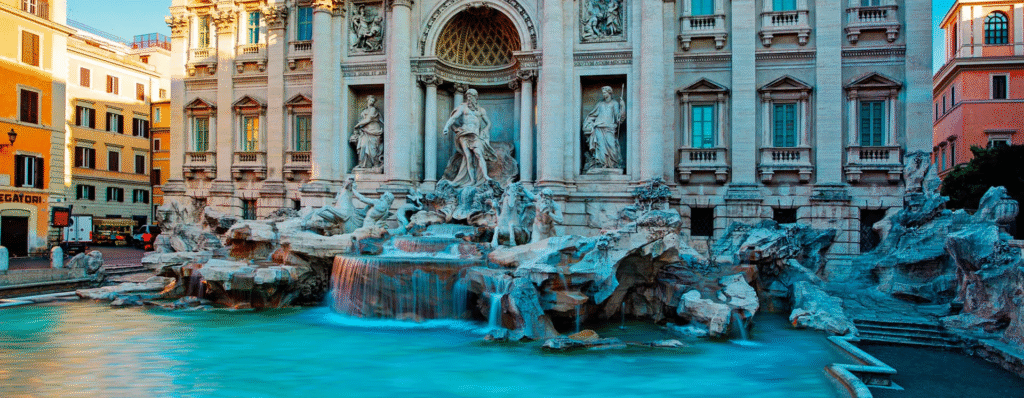
The Trevi Fountain gained worldwide recognition through classic films such as La Dolce Vita. Its appearance in cinema strengthened its image as a symbol of romance and Italian elegance. Over the decades, it has become not only a historical monument but also a cultural icon representing the beauty of Rome.
The fountain connects modern tourism with ancient Roman engineering, making it a powerful symbol of the city’s timeless heritage.
Best Time to Visit Trevi Fountain
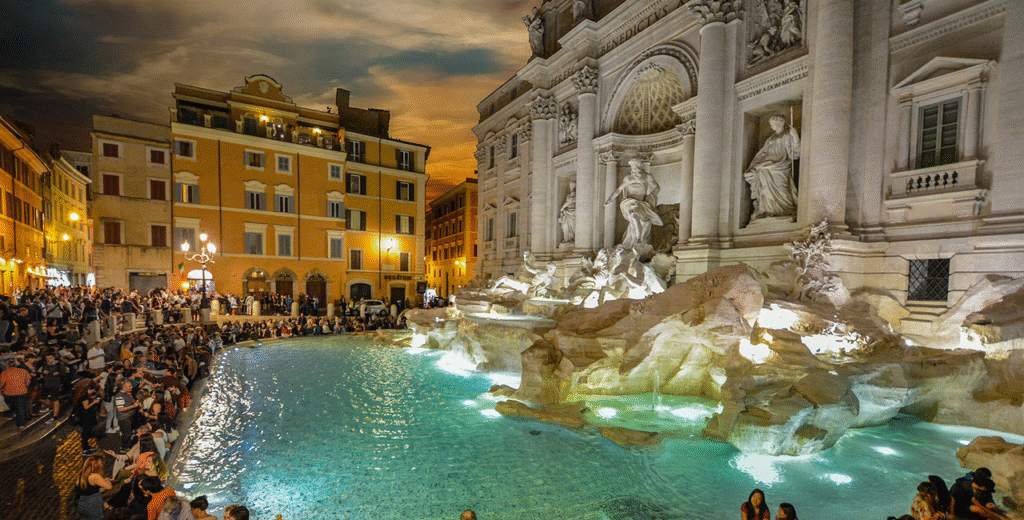
Although the fountain is open twenty-four hours a day, choosing the right time can improve your experience. Early morning offers a peaceful atmosphere and fewer crowds, making it ideal for photography. Evening visits provide a magical ambiance, as the fountain is beautifully illuminated. Midday tends to be the busiest period due to tourist rush.
Planning your visit wisely allows you to fully appreciate the beauty and charm of this historic site.
Travel Tips for Visitors
It is recommended to arrive early to avoid heavy crowds and enjoy a quieter experience. Visitors should remain aware of their belongings, as popular tourist areas can attract pickpockets. Respecting local rules is important, and sitting inside the fountain area is strictly prohibited. Carrying small coins will help you participate easily in the famous tradition.
Trevi Fountain Quick Information Table
| Detail | Information |
|---|---|
| Name | Trevi Fountain (Fontana di Trevi) |
| Location | Rome, Italy |
| Built Between | 1732 – 1762 |
| Architect | Nicola Salvi |
| Architectural Style | Baroque |
| Height | Approx. 26 meters |
| Width | Approx. 49 meters |
| Famous For | Coin-throwing tradition |
| Entry Fee | Free |
| Best Time to Visit | Early morning or late evening |
| Annual Coins Collected | Around €1 million |
| Nearest Landmark | Spanish Steps |
Conclusion
The Trevi Fountain is more than just a tourist attraction; it is a symbol of history, art, and romance. Its stunning architecture, legendary traditions, and cultural significance make it Rome’s most famous landmark. A visit to Rome feels incomplete without standing before this magnificent fountain and tossing a coin into its sparkling waters.
If you want, I can now add a properly structured FAQ section, SEO meta description, keywords, table, and hashtags for better Google ranking.
Ultimate Guide to Visiting Turkey: Culture, Food & Hidden Gems
Turkey is not a destination you simply visit. It is a place you feel. It…

Melissa McCarthy’s Elegant Lace Look Sets a New Fashion Standard
If there’s one celebrity fashion moment that’s captured the public’s attention recently, it’s undoubtedly Melissa…

Ultimate Guide to Tenerife: Beaches, Volcanoes & Hidden Gems
Tenerife is more than just a sunny island getaway. As the largest of Spain’s Canary…

Maura Higgins Turns Heads in a Cinched Micro Minidress — See the Viral Look!
When it comes to commanding attention with effortless confidence, Maura Higgins has once again proven…

Ultimate Guide to the Gili Islands: Beaches, Snorkeling & Hidden Gems
Just off the northwest coast of Lombok, the Gili Islands feel like a place where…

Taylor Hill’s Vacation-Ready Dress Is the Ultimate Summer Style Inspiration
Effortless Style Begins with Intention There is something undeniably captivating about the way Taylor Hill…

#TreviFountain #TreviFountainRome #RomeItaly #ItalyTravel #RomeTravelGuide #RomeTourism #VisitRome #EuropeanTravel #BaroqueArchitecture #FamousLandmarks #TravelItaly #RomeAttractions #HistoricPlaces #Wanderlust #TravelBlog2026 #Carrerbook #Anslation