
In today’s digital world, software tools play a crucial role in business, education, content creation, marketing, and daily productivity. But one common question remains: Should you choose free software tools or invest in paid ones?
The answer depends on your needs, budget, and long-term goals. Let’s explore both options in detail.
Understanding Free Software Tools
Free software tools are available at no cost. Many startups, students, freelancers, and small businesses prefer them because they reduce expenses while still offering essential features.
Free tools are ideal for beginners who want to test a platform before making financial commitments. Popular examples include free versions of Canva, Trello, Zoom, Google Docs, and many others.
However, free tools often come with limitations. You may face restricted features, limited storage, ads, or branding. In some cases, customer support is minimal or unavailable.
Understanding Paid Software Tools
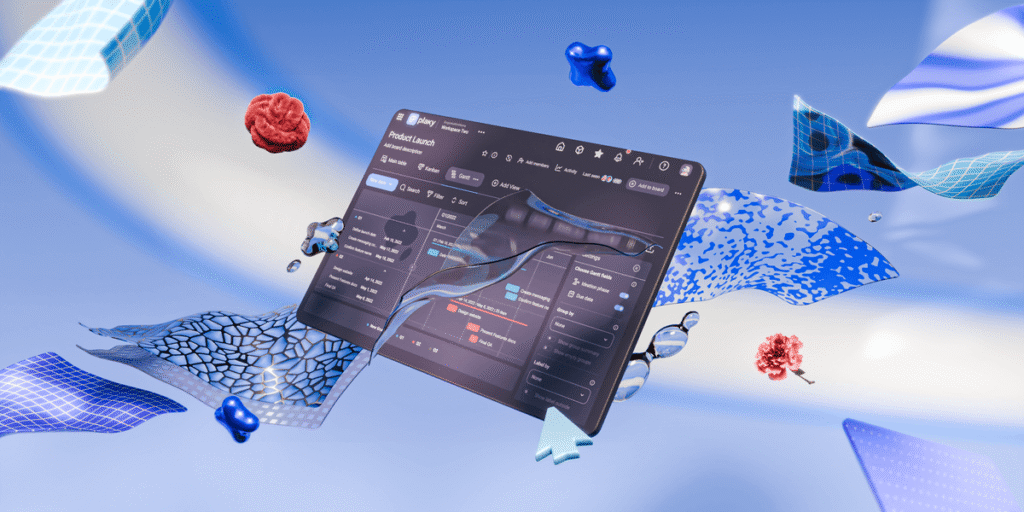
Paid software tools require a subscription or one-time purchase. These tools are designed to provide advanced features, better security, higher performance, and professional-level support.
Businesses that rely heavily on software for daily operations often prefer paid versions because they offer scalability and reliability. Paid tools usually remove ads, provide premium integrations, offer automation features, and ensure better data protection.
While paid tools require investment, they often save time and increase productivity, which can lead to higher returns in the long run.
Key Differences Between Free and Paid Tools
| Feature | Free Tools | Paid Tools |
|---|---|---|
| Cost | No cost | Subscription or one-time payment |
| Features | Limited features | Advanced and full features |
| Support | Limited or community support | Dedicated customer support |
| Security | Basic security | Advanced security & compliance |
| Customization | Limited | Highly customizable |
| Scalability | Not ideal for large teams | Suitable for business growth |
When Should You Choose Free Tools?

Free tools are a good choice if:
- You are a beginner or student
- You have a limited budget
- Your needs are basic
- You are testing a tool before upgrading
- You are running a small personal project
For example, a blogger just starting out may use free design tools, free email marketing platforms, and free project management apps.
When Should You Choose Paid Tools?
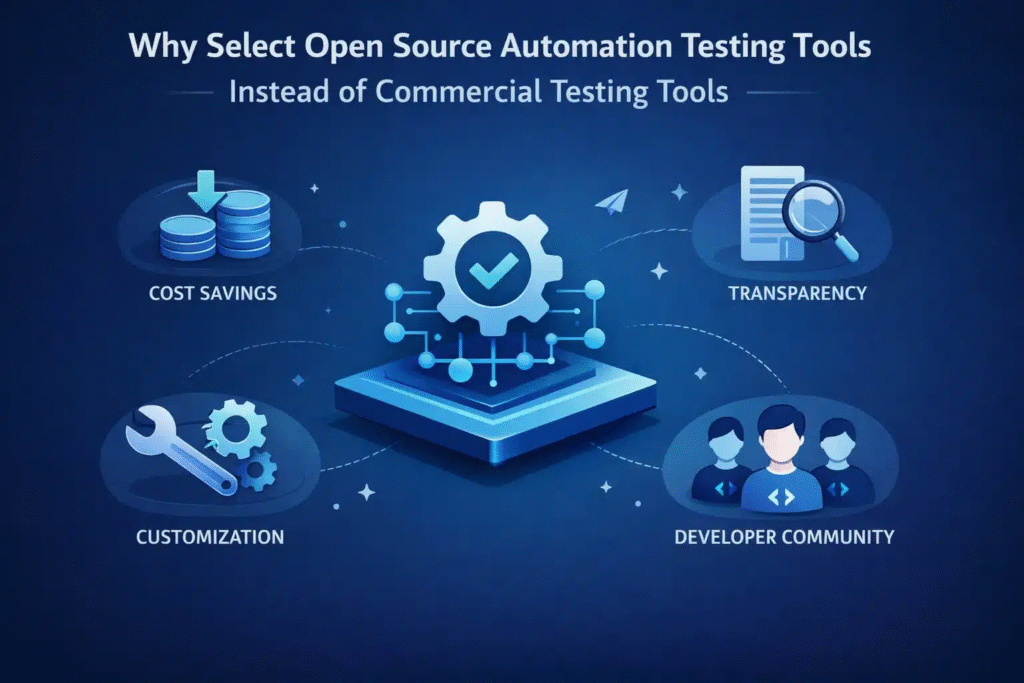
Paid tools are better if:
- You run a business
- You need advanced automation
- Data security is important
- You manage a team
- You require premium support
For example, an e-commerce company may invest in paid marketing automation tools, premium analytics software, and advanced CRM systems.
Pros and Cons
Free Tools – Pros
- Budget-friendly
- Easy to start
- Good for learning and testing
Free Tools – Cons
- Limited features
- Ads or branding
- Restricted support
Final Verdict: Which One Is Better?
There is no one-size-fits-all answer. Free tools are perfect for beginners and small projects, while paid tools are better for businesses and professionals who need advanced features and reliability.
A smart strategy is to start with free tools and upgrade to paid versions when your needs grow. This way, you minimize risk while maximizing productivity.
FAQ
Ultimate Guide to Visiting Turkey: Culture, Food & Hidden Gems
Turkey is not a destination you simply visit. It is a place you feel. It…

Melissa McCarthy’s Elegant Lace Look Sets a New Fashion Standard
If there’s one celebrity fashion moment that’s captured the public’s attention recently, it’s undoubtedly Melissa…

Ultimate Guide to Tenerife: Beaches, Volcanoes & Hidden Gems
Tenerife is more than just a sunny island getaway. As the largest of Spain’s Canary…

Maura Higgins Turns Heads in a Cinched Micro Minidress — See the Viral Look!
When it comes to commanding attention with effortless confidence, Maura Higgins has once again proven…

Ultimate Guide to the Gili Islands: Beaches, Snorkeling & Hidden Gems
Just off the northwest coast of Lombok, the Gili Islands feel like a place where…

Taylor Hill’s Vacation-Ready Dress Is the Ultimate Summer Style Inspiration
Effortless Style Begins with Intention There is something undeniably captivating about the way Taylor Hill…

#SoftwareTools #FreeVsPaid #DigitalTools #BusinessTechnology #ProductivityTools #TechComparison #OnlineTools #SmartWork #Tech2026 #SoftwareGuide #Carrerbook #Anslation