
Mobile network providers play a vital role in today’s digital world. Everyday activities such as making phone calls, sending text messages, browsing the internet, using social media, making online payments, and streaming videos all depend on mobile networks. With the rapid growth of smartphones and digital services, mobile network providers have become an essential part of modern life.
What Is a Mobile Network Provider?
A mobile network provider is a telecommunications company that delivers mobile communication services to users. These services include voice calls, text messaging, and mobile internet access. Providers use wireless technology to connect mobile devices to their networks, while the SIM card inside a phone helps identify the user and manage their selected plan.
How Mobile Network Providers Work
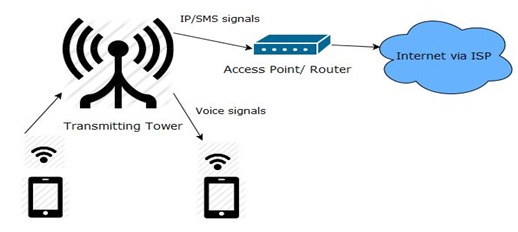
Mobile network providers rely on advanced infrastructure to enable communication. They use cell towers and radio signals to transmit voice and data between devices. When a user makes a call or accesses the internet, their mobile phone connects to the nearest cell tower. This connection allows data to travel securely through the network and reach its destination.
Types of Mobile Network Providers
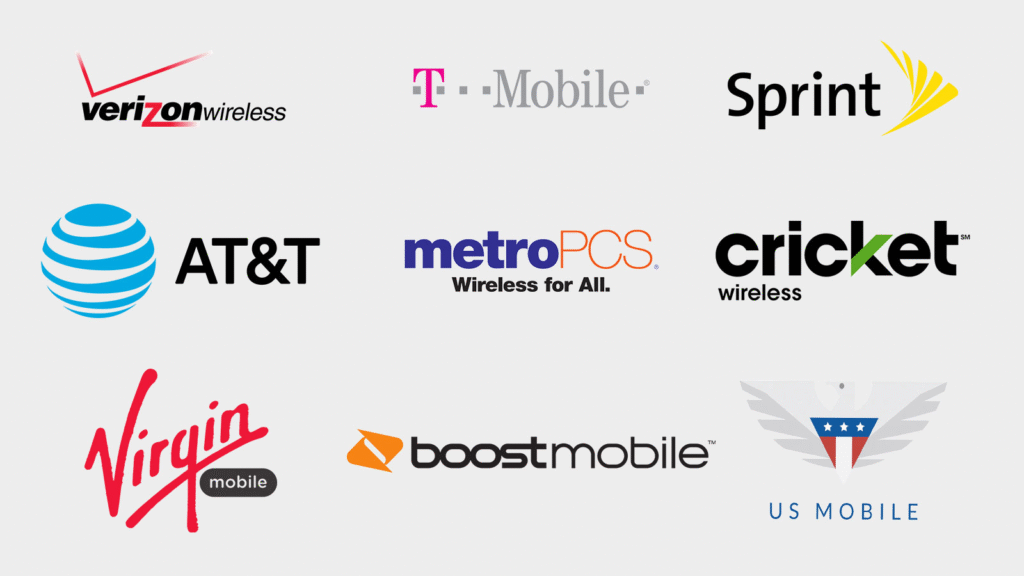
There are different types of mobile network providers operating in the telecom industry. Some providers own and manage their own network infrastructure, including towers, spectrum, and network equipment. These providers usually have greater control over coverage and service quality. Other providers do not own physical infrastructure but instead use the network of larger operators to offer services, often focusing on affordability and flexible plans.
Services Offered by Mobile Network Providers
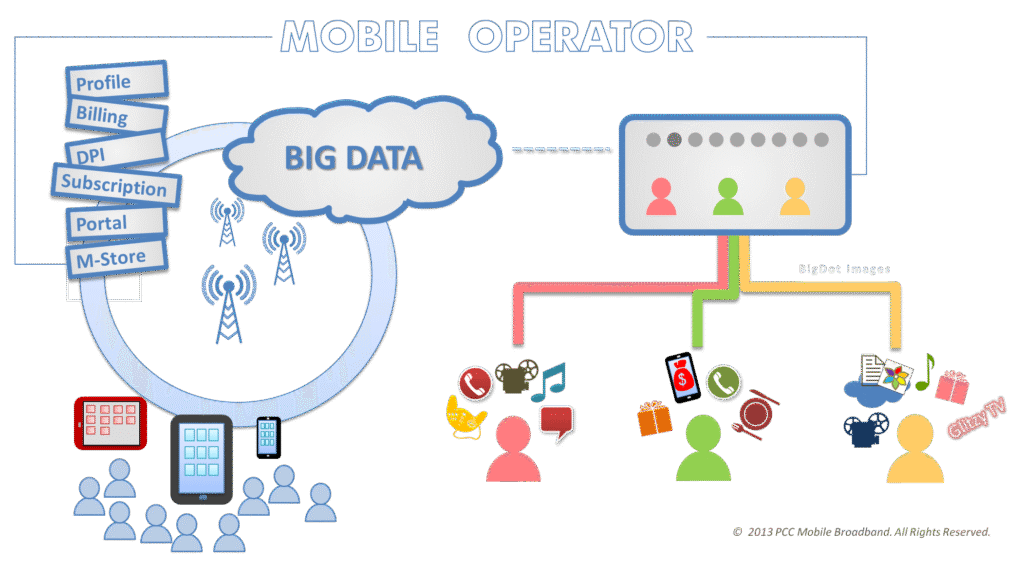
Mobile network providers offer a wide range of services, including voice calling for local and international communication, text messaging for personal use and verification purposes, and mobile data services that enable internet access through 3G, 4G, and 5G networks. These services support activities such as browsing, video streaming, app usage, and online gaming.
Mobile Network Plans and Pricing
Mobile network plans are designed to suit different user needs and budgets. Some plans involve monthly billing with a fixed payment for bundled services, while others are prepaid and allow users to recharge in advance. SIM-only plans have also become popular, especially among users who already own a smartphone and only need network connectivity.
Comparison Table: Types of Mobile Network Providers
| Aspect | Network Owners (MNOs) | Network Users (MVNOs) |
|---|---|---|
| Network Infrastructure | Own and manage towers and equipment | Use another provider’s network |
| Coverage Control | Full control over coverage and quality | Limited control, depends on host network |
| Pricing | Often higher due to infrastructure costs | Generally more affordable |
| Flexibility | Standard plans | More flexible and budget-friendly plans |
| Best For | Users needing strong, wide coverage | Budget-conscious and light users |
4G and 5G Network Technology
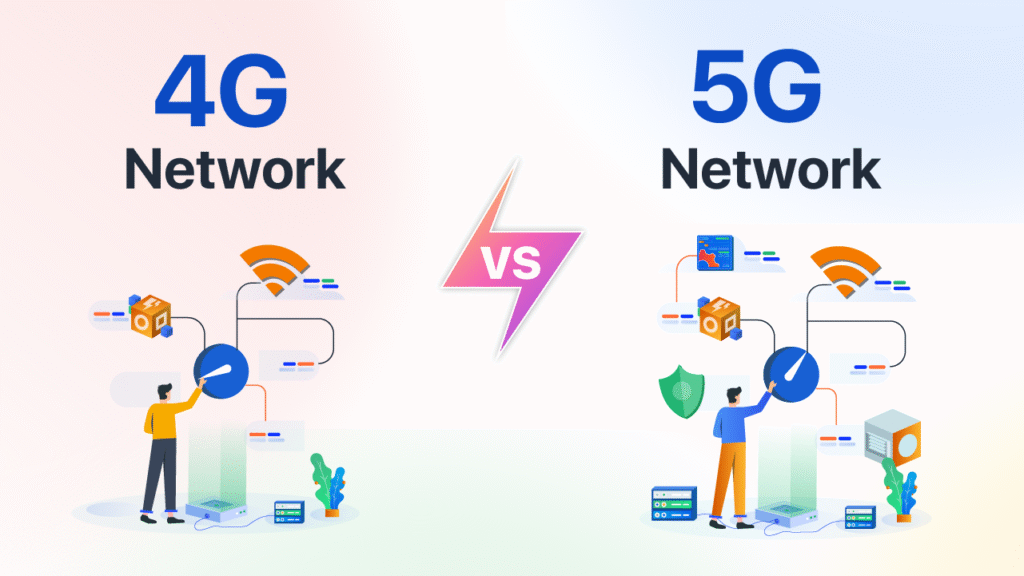
The introduction of 4G and 5G technology has significantly improved the mobile network experience. 4G networks provide fast and stable internet speeds suitable for everyday use such as streaming and browsing. 5G technology offers ultra-fast speeds and very low latency, making it ideal for advanced applications like online gaming, smart devices, and future digital innovations.
Comparison Table: 4G vs 5G Networks
| Feature | 4G Network | 5G Network |
|---|---|---|
| Internet Speed | Fast | Ultra-fast |
| Latency | Moderate | Very low |
| Best Use | Streaming, browsing | Gaming, IoT, smart devices |
| Network Capacity | Limited | High |
| Future Readiness | Medium | Very high |
Network Coverage and Quality

Network coverage and service quality are critical factors when choosing a mobile network provider. A strong signal, wide geographic coverage, and stable internet speed ensure a smooth user experience. Poor coverage and frequent call drops can negatively impact communication and productivity.
Security and Privacy in Mobile Networks
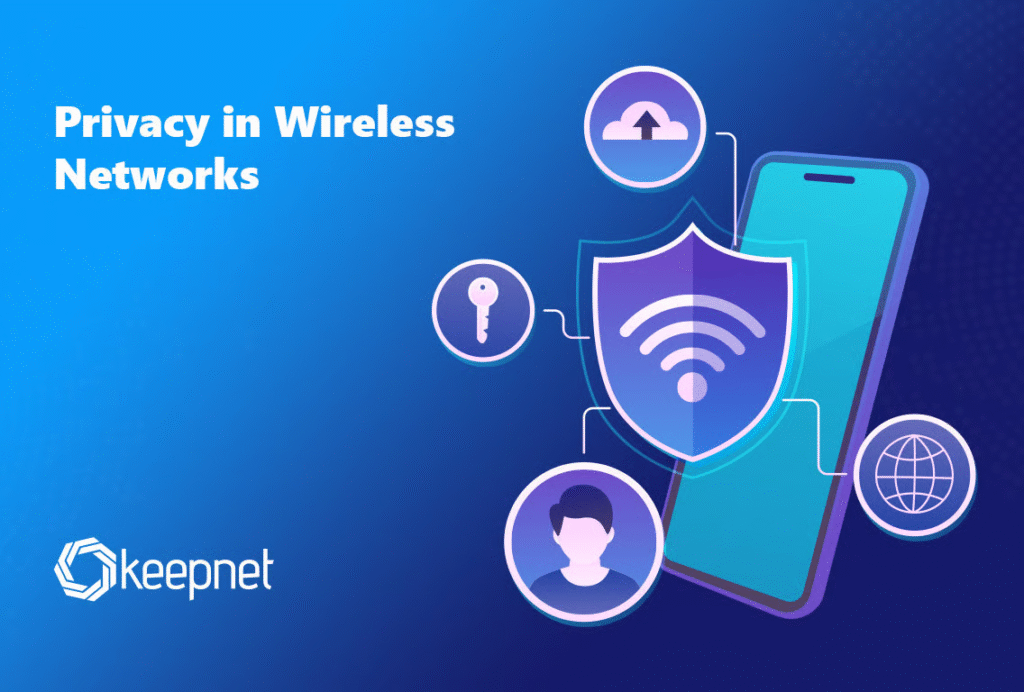
Mobile network providers are responsible for safeguarding user data and communication. They use secure technologies such as encrypted calls, protected data transmission, and SIM authentication to prevent fraud and unauthorized access. Strong security measures are essential in today’s increasingly digital environment.
How to Choose the Right Mobile Network Provider
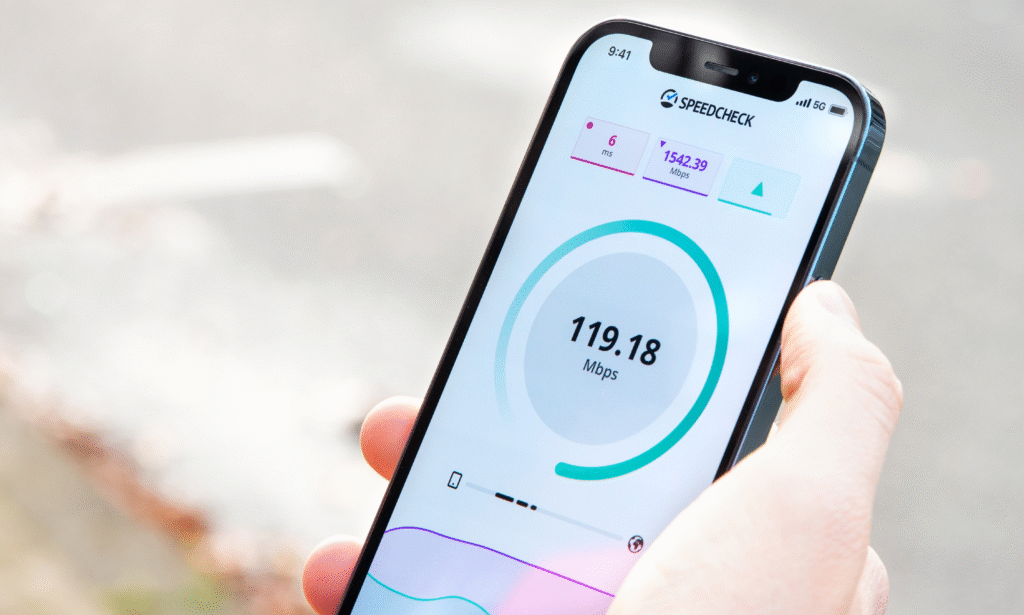
Choosing the right mobile network provider involves evaluating coverage in your area, understanding your data and calling needs, considering budget and plan flexibility, and assessing customer support quality and roaming options. Making an informed comparison helps users select the most suitable provider.
Advantages and Limitations of Mobile Network Providers
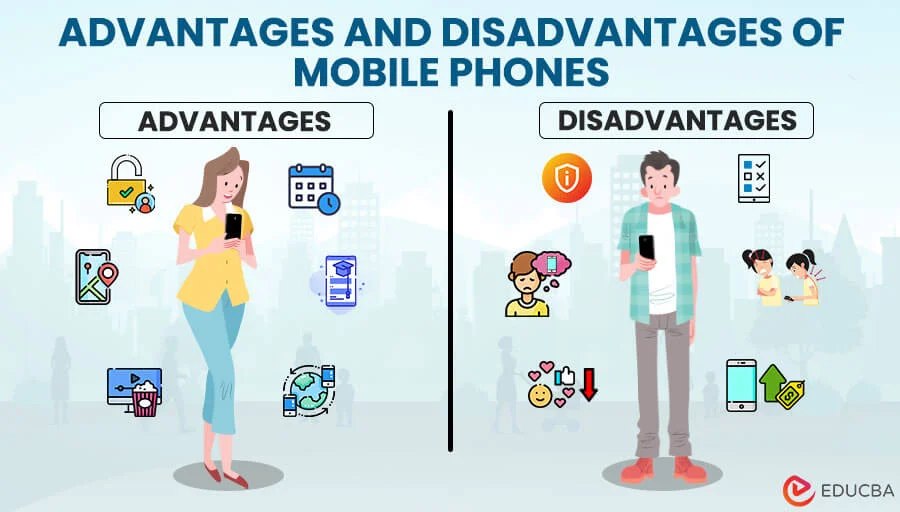
Mobile network providers enable instant communication and internet access, supporting remote work, online education, and emergency communication. However, challenges such as network congestion, weaker rural coverage, data limits, and roaming charges may sometimes affect service quality.
Future of Mobile Network Providers

The future of mobile network providers is driven by technological innovation. The expansion of 5G networks is expected to deliver faster speeds, improved coverage, and better support for smart devices and the Internet of Things. Mobile networks will continue to evolve alongside digital lifestyles.
Final Thoughts
Mobile network providers are the backbone of modern communication. Selecting the right provider and plan can significantly improve call quality, internet speed, and overall connectivity. As technology advances, mobile network services will become faster, more secure, and increasingly essential in everyday life.
#MobileNetwork #TelecomIndustry #MobileConnectivity #WirelessTechnology #MobileInternet #4GNetwork #5GTechnology #SIMCard #MobilePlans #Telecommunications #DigitalConnectivity #NetworkCoverage #InternetTechnology #SmartphoneTechnology #FutureOfConnectivity #Carrerbook #Anslation