
Tucked away in the middle of the Atlantic Ocean, the Azores feel like a world apart. This Portuguese archipelago of nine volcanic islands offers dramatic crater lakes, steaming hot springs, black-sand beaches, lush green pastures, and some of the best whale watching in Europe. Unlike many over-touristed destinations, the Azores still feel raw and authentic. Life moves slower here. Nature dominates the landscape. And every island has its own personality.
If you’re planning a trip in 2026, this guide covers everything you need — from the perfect itinerary to lesser-known gems and practical travel advice.
Why Visit the Azores in 2026?
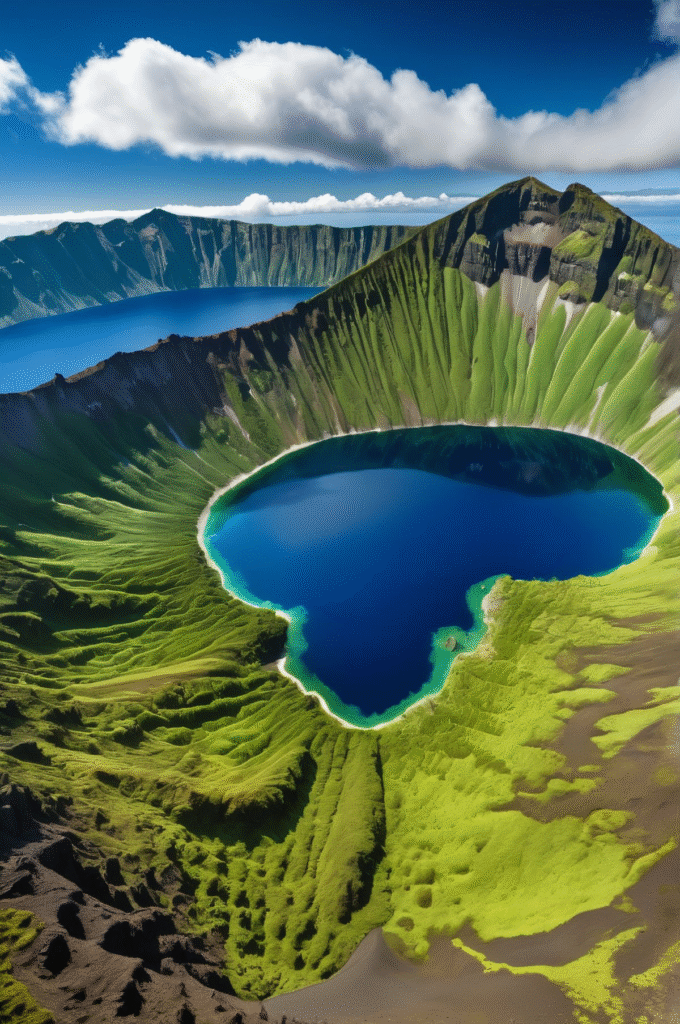
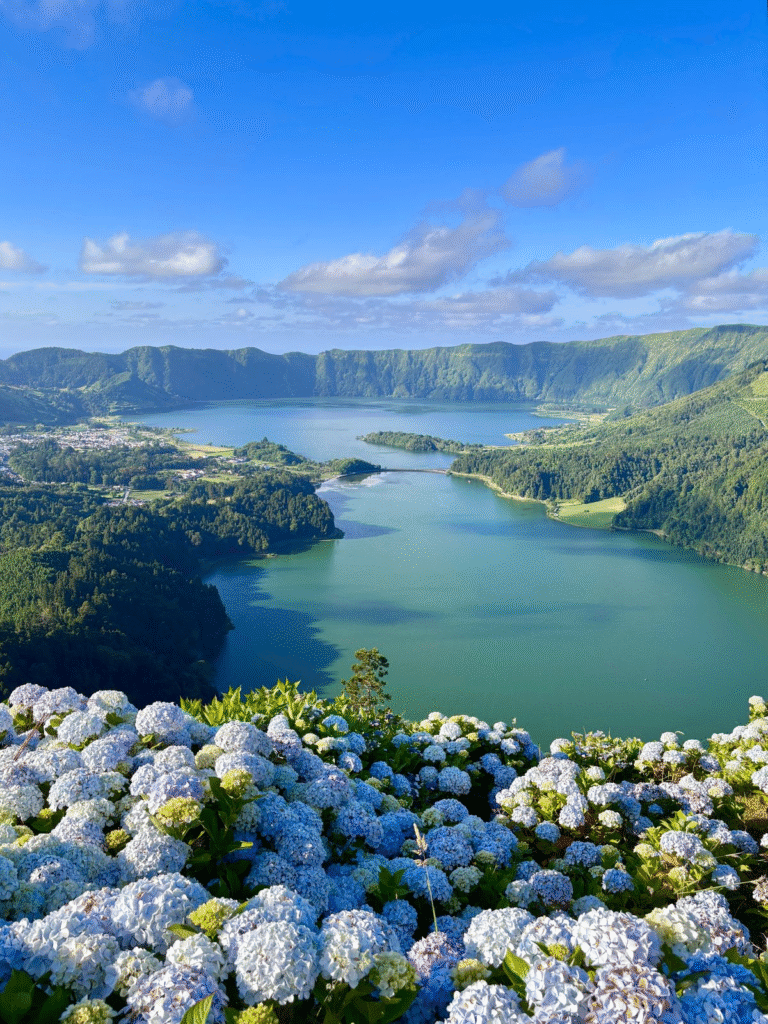
The Azores continue to grow in popularity, yet they remain refreshingly uncrowded compared to mainland European hotspots. Sustainable tourism initiatives are helping preserve the islands’ natural beauty, making it an ideal time to visit before mass tourism changes the experience.
Travelers come here for:
- Volcanic landscapes and crater lakes
- Natural hot springs
- Whale and dolphin watching
- Scenic hiking trails
- Farm-to-table food and fresh seafood
- Peaceful small-town charm
Whether you’re an adventure seeker, nature lover, or simply craving a break from busy city life, the Azores deliver.
The Ultimate 7–10 Day Azores Itinerary
While there are nine islands, most first-time visitors focus on three: São Miguel, Pico, and Terceira. This itinerary balances iconic sights with authentic local experiences.
Days 1–4: São Miguel (The Green Island)
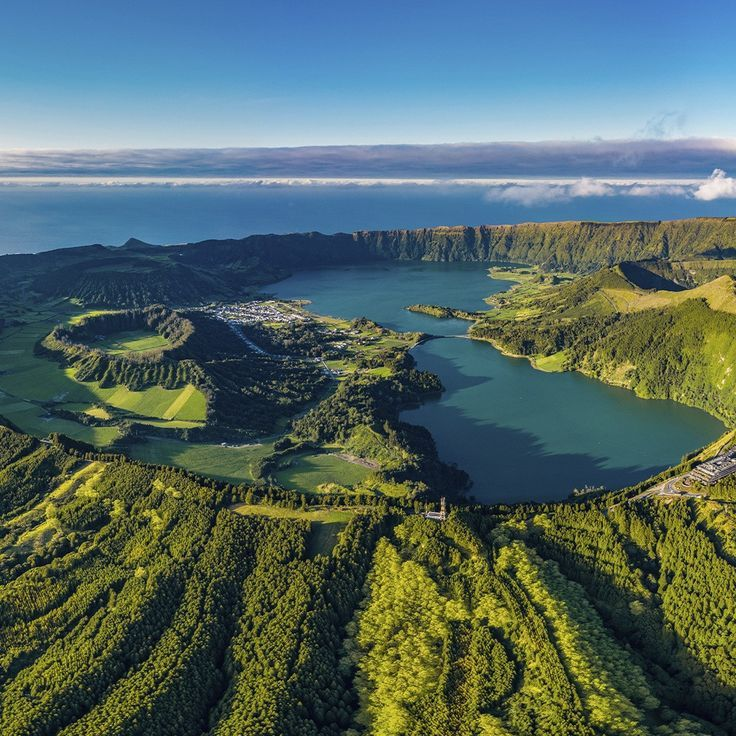
São Miguel is the largest and most diverse island.
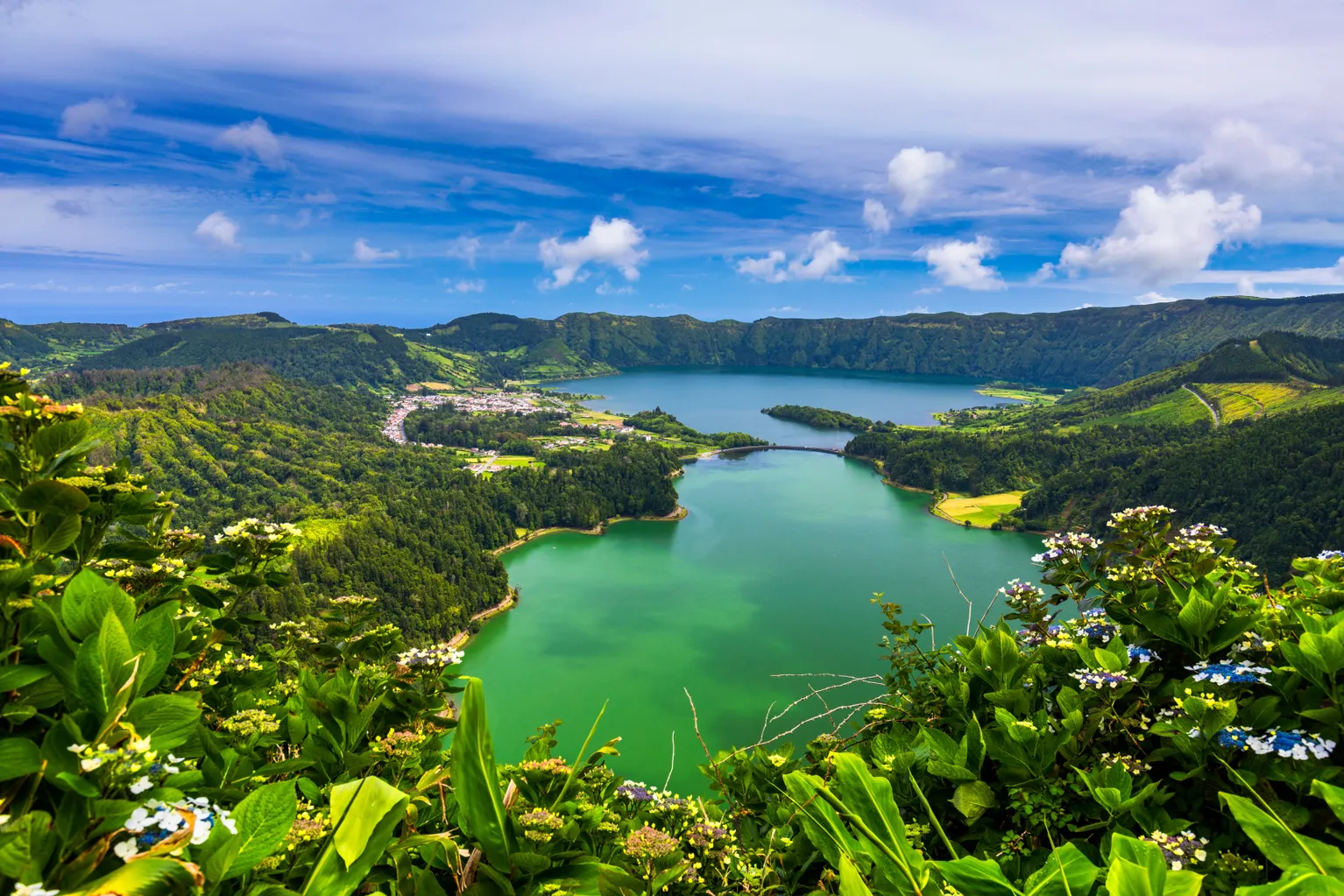
Sete Cidades
Start with the iconic twin lakes, one blue and one green, nestled inside a massive volcanic crater. Visit the Vista do Rei viewpoint for panoramic views, then hike around the rim if you’re up for it.
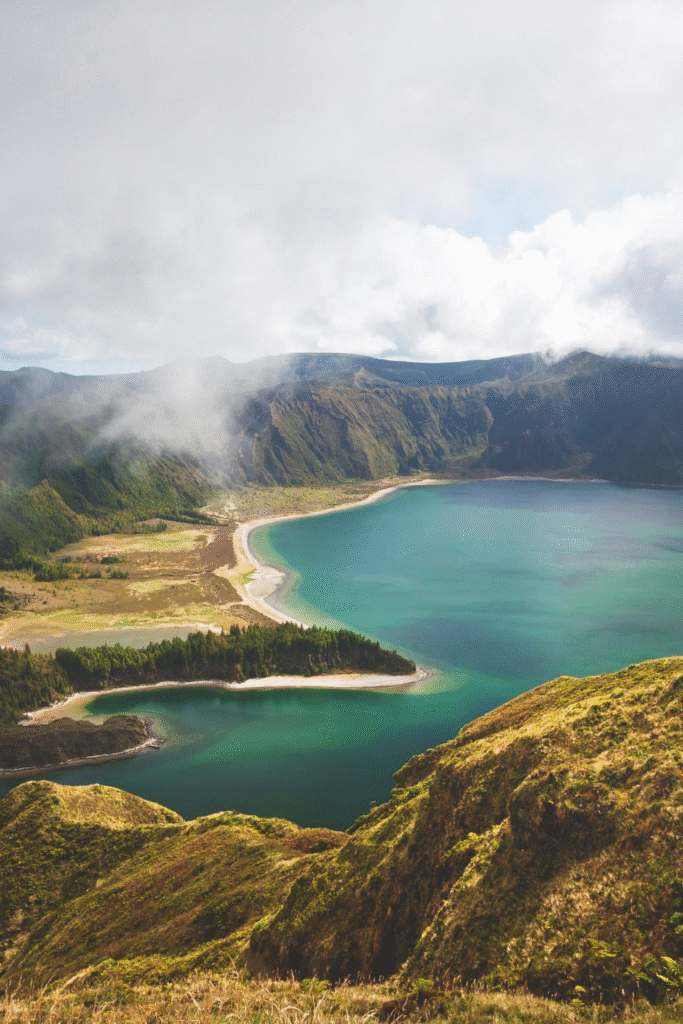
Lagoa do Fogo
A wild and untouched crater lake that feels completely remote. Arrive early to avoid crowds and experience the silence.
Furnas Valley
Known for geothermal activity, Furnas is famous for its hot springs and “cozido,” a traditional stew slow-cooked underground using volcanic heat. Spend an afternoon soaking in Terra Nostra Park’s thermal pool.
Whale Watching in Ponta Delgada
The Azores are one of the best whale-watching spots in the world. Tours run year-round, though spring and early summer are peak seasons.
Days 5–7: Pico (The Mountain Island)

Pico is dominated by Mount Pico, Portugal’s highest peak.
Climb Mount Pico
If you enjoy hiking, summiting Mount Pico is an unforgettable experience. It’s challenging but achievable with preparation. Guided climbs are recommended.
Pico Vineyards
Recognized as a UNESCO World Heritage site, the volcanic vineyards produce unique wines grown in lava stone enclosures. Wine tasting here feels intimate and authentic.
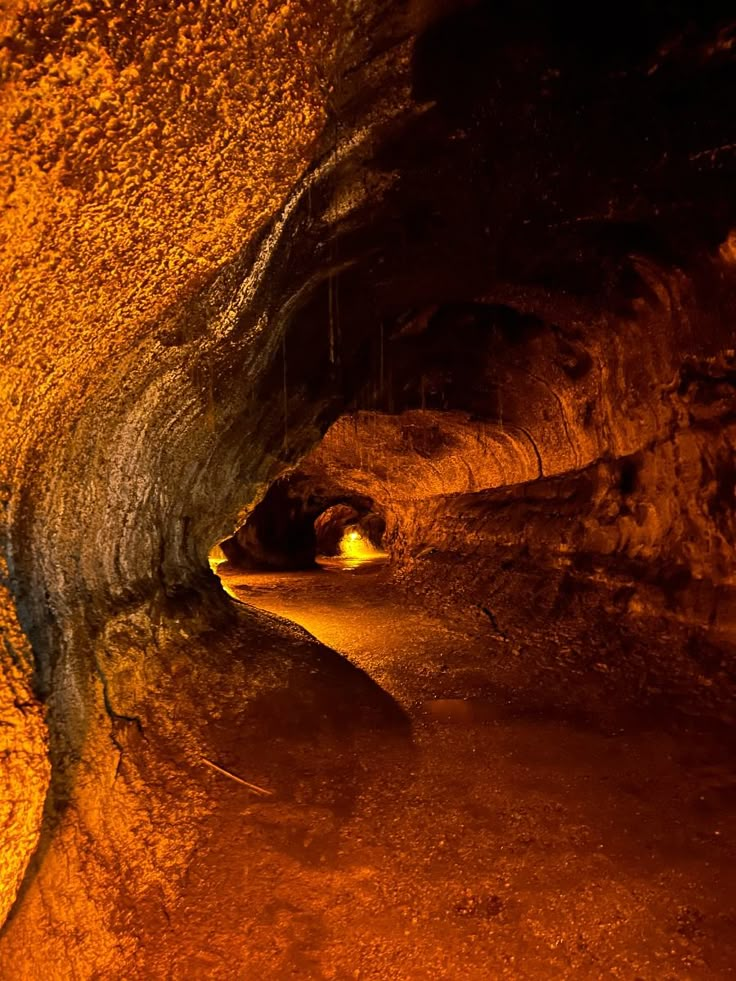
Lava Caves (Gruta das Torres)
Explore one of Portugal’s longest lava tubes for a glimpse into the island’s volcanic origins.
Days 8–10: Terceira (Culture and History)
Terceira offers a different atmosphere — colorful architecture, cultural traditions, and historic charm.
Angra do Heroísmo
This UNESCO-listed town features cobblestone streets, pastel buildings, and beautiful churches. It’s perfect for slow exploration.
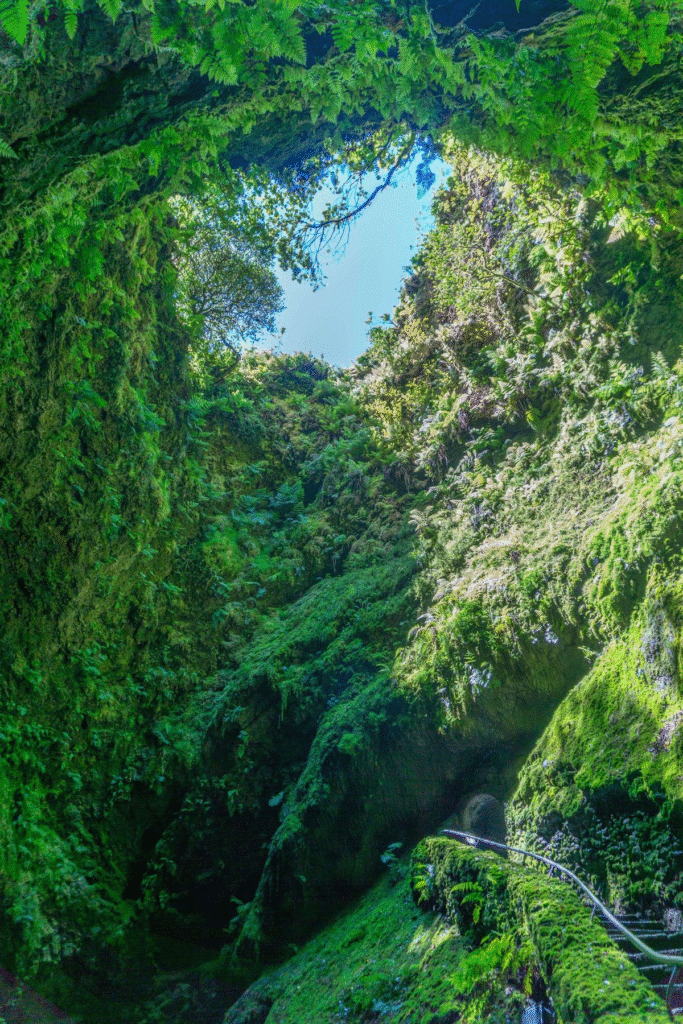
Algar do Carvão
Descend into a volcanic chimney where you can see stalactites and an underground lagoon. It’s a rare opportunity to step inside a volcano.
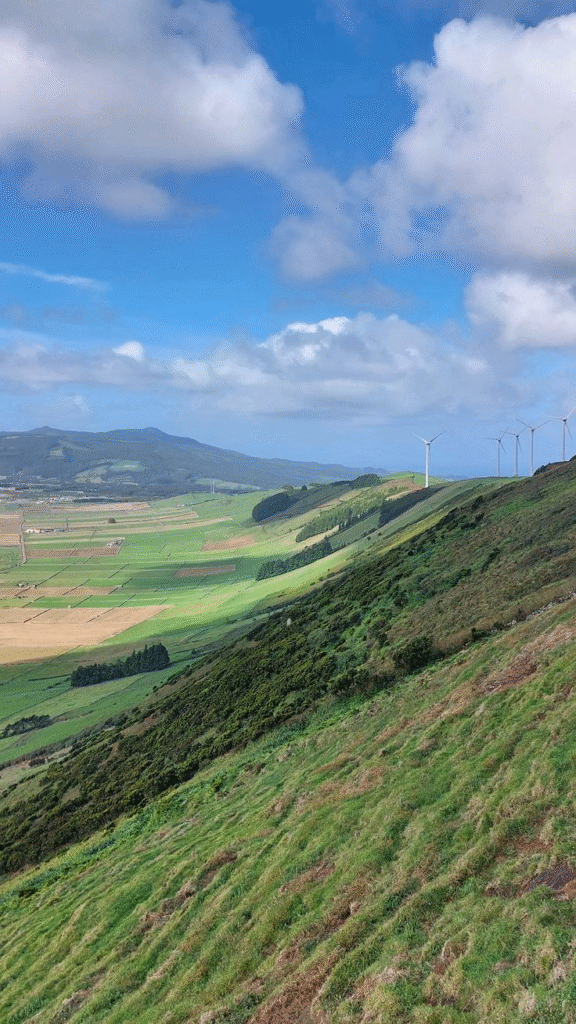
Serra do Cume Viewpoint
A sweeping view over patchwork farmland that feels almost surreal.
Hidden Gems Most Travelers Miss
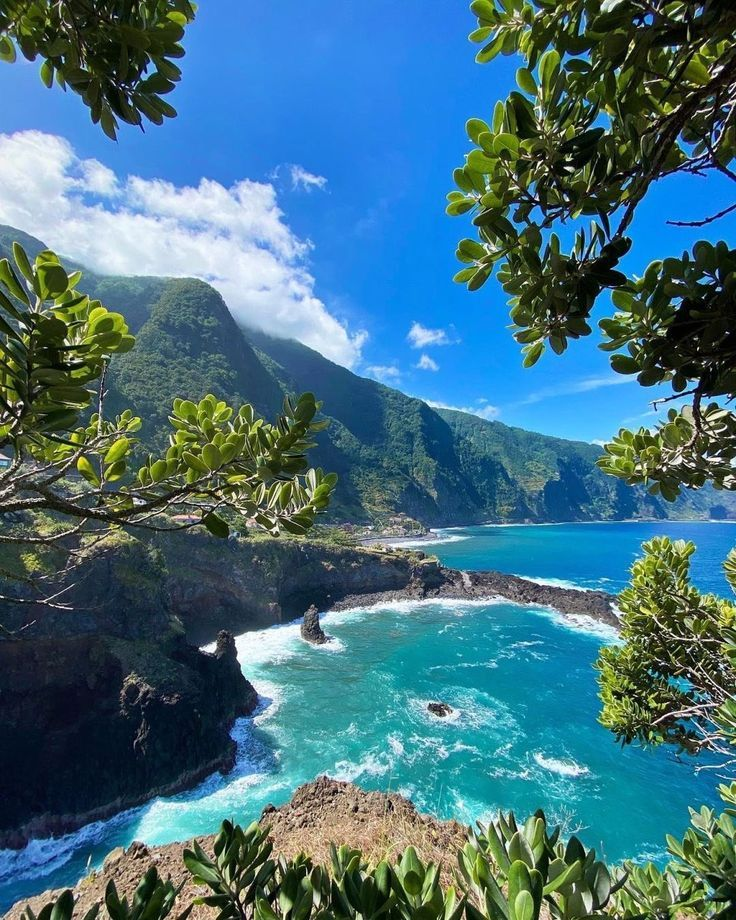
If you want to go beyond the typical highlights, consider these:
Poça da Dona Beija (São Miguel)
A series of smaller thermal pools, often quieter than the more famous Terra Nostra.
Fajã da Caldeira de Santo Cristo (São Jorge)
Accessible by hike or boat, this remote coastal plain feels untouched and peaceful.
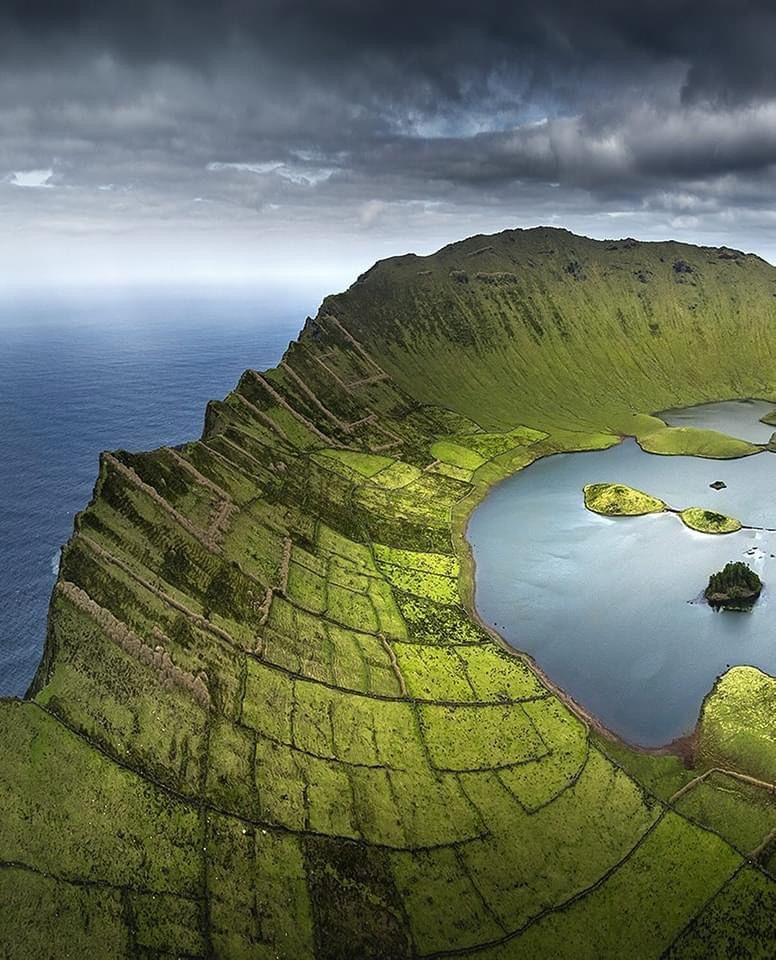
Corvo Island
The smallest island in the Azores offers dramatic isolation and a stunning crater lagoon rarely crowded.
Best Time to Visit the Azores
- April to June: Ideal for whale watching and blooming hydrangeas.
- July to September: Warmest weather and festival season.
- October to March: Fewer tourists, but more unpredictable weather.
The Azores climate is mild year-round, but weather can change quickly. Always be prepared for sun, wind, and rain in the same day.
Essential Travel Tips for 2026
Rent a Car
Public transportation is limited. Having your own car gives you freedom to explore remote viewpoints and beaches.
Plan for Island Hopping
Flights and ferries connect the islands, but schedules vary seasonally. Book ahead during peak months.
Pack Layers
Even in summer, evenings can be cool. Waterproof jackets are essential.
Respect Nature
The Azores pride themselves on sustainability. Stick to marked trails and avoid disturbing wildlife.
Try Local Cuisine
Don’t miss fresh tuna steaks, limpets, São Jorge cheese, and passion fruit desserts.
Where to Stay
- Ponta Delgada (São Miguel): Best for first-time visitors.
- Angra do Heroísmo (Terceira): Perfect for culture and history enthusiasts.
Accommodation ranges from boutique eco-lodges to family-run guesthouses, many offering stunning ocean views.
Final Thoughts
The Azores are not a destination for rushed sightseeing. They are a place to breathe deeply, hike slowly, and reconnect with nature. You won’t find massive resorts or flashy nightlife. What you will find is dramatic beauty, welcoming locals, and an authenticity that feels increasingly rare in modern travel.
In 2026, the Azores remain one of Europe’s most rewarding escapes. If you value landscapes over luxury and experience over excess, this Atlantic paradise deserves a spot on your travel list.
Travel information is subject to change, including transportation schedules, entry requirements, pricing, and local regulations. Always verify details with official tourism boards, airlines, and accommodation providers before booking your trip. Weather conditions in the Azores can shift quickly, so plan accordingly and prioritize safety during outdoor activities.
#AzoresTravel #Azores2026 #PortugalTravel #IslandHopping #EuropeanDestinations #AdventureTravel #VolcanicIslands #HiddenGems #TravelGuide #NatureLovers #Anslation #Carrerbook